
#ParoNacional / Davos → Foro Económico Mundial en Argentina
#ParoGeneralActivo / #YoNoParo

Ataque en Siria / CRISIS EN SIRIA
Denuncian que el gobierno de Al Assad está detrás de la tragedia
La desgarradora imagen de un padre con sus bebés gemelos muertos tras el ataque químico en Siria
Venezuela / Universidad de Carabobo
Islandia baja a 7% el consumo de alcohol y drogas en adolescentes
Mauricio Macri / Greenpeace: “Si Macri no cierra Veladero, es cómplice del daño ambiental de Barrick”
Las inundaciones que sufre Argentina se deben a la deforestación y al cambio climático
Japón, el país donde el gobierno tiene que prohibir trabajar
El exceso de trabajo es algo habitual en algunas culturas. Se da en países latinos, del Sur de Europa o en Asia, especialmente en Japón. Dentro de los países más desarrollados, el país del Sol Naciente es el que presenta un problema de este tipo más grave, acuciante e incompresible desde otras culturas.
Islandia baja a 7% el consumo de alcohol y drogas en adolescentes
Aldeanos arriesgan sus vidas dando agua a una cobra real sedienta
Todos los años nos encargamos de recordarle a nuestros lectores y especialmente a quienes no viven en Santa Cruz, que conocen solo una parte del relato K, que cuando Néstor Kirchner gobernó Santa Cruz y CFK lo acompañaba como primera dama, al principio y desde 1989 como diputada provincial o en 1995 como senadora por Santa Cruz, JAMÁS promovieron un acto, una movilización o un recordatorio o una solicitada, por mínimo que fuera, sobre la Memoria de cada 24 de marzo.
Suele ser incómodo para nosotros reiterarnos en este sentido en estas fechas, pero es una obligación periodística recordarle una y otra vez a los lectores que también se renuevan a los largo de los meses, uno de los hechos más significativos que rodea al matrimonio Kirchner y su eventual devoción por ser adalides de la memoria del fatídico 24 de marzo de 1976, cuando la Dictadura militar (una vez más) se apropió del poder y subsumió al país en una época más oscura de la que se tenga memoria.
En el año 2015 (lo replicamos en 2015 y lo volvemos a hacer hoy, porque “hay que tener memoria”) hicimos un trabajo de archivo que resultó realmente muy curioso, porque a través de él, se pudo contrastar fácticamente el antes y el después del “relato K”, alrededor de esta fecha que ha pasado a ser todo un símbolo de lo que en un país no puede volver a ocurrir: el avance de una dictadura militar.
Horas y horas de buscar en todos los diarios de aquellos años en los que Néstor y Cristina representaron la política de Santa Cruz, arrojó un resultado muy llamativo, porque mientras uno esperaba hallar alguna mención o invitación pública a un recordatorio, de parte del gobernador Kirchner o de la diputada y/o senadora Cristina Fernández, alrededor de esta simbólica fecha, cada 24 de marzo, al menos, para el gobierno de Santa Cruz, pasó prácticamente desapercibido. NUNCA, el gobernador Kirchner le prestó importancia o la destacó públicamente como algo relevante. Esto revela la utilización política y personal de los DDHH y de los hitos sensibles al sentir popular, como el 24 de marzo de cada año, para montar el relato populista y sesgado de la historia, en beneficio propio.
Como lo pudimos comprobar, Kirchner jamás hizo declaraciones al respecto, no participó en actos “De la memoria y la Justicia”, no promovió ni alentó y ni apoyó marcha alguna, recordando los 30 mil desaparecidos ni repudiando el golpe militar del año 1976, nunca emitió un comunicado oficial atendiendo la importancia de la fecha y no existen registro de Néstor Kirchner y/o su esposa, repudiando a las FFAA o a integrantes de ellas que estuvieran entonces, en actividad y hubieran pertenecido al proceso.
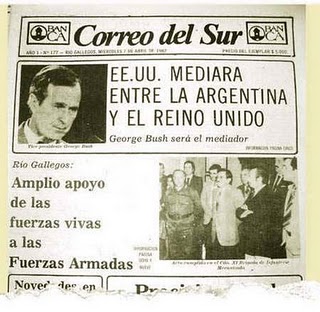
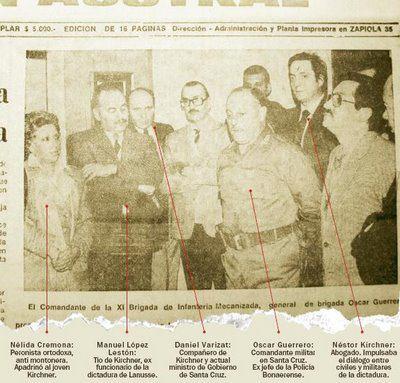
Por el contrario, lo que se pudo observar de la información relevada, es que por esos tiempos, Néstor Kirchner mantenía una muy buena relación con el Ejército, la Armada, Prefectura Naval y Fuerza Aérea, vinculación que mantenía estrechamente desde antes, pero que se afianzó en 1982 cuando las Fuerza Armadas fueron protagonistas principales de la contienda bélica del Atlántico Sur y precisamente, Santa Cruz, fue el territorio más “caliente” del continente, en materia de asentamiento militar y plataforma de operaciones aéreas y terrestres.
A continuación vamos a exponer la búsqueda que hicimos en los diarios de cada mes de marzo entre los años 1992 al 99, sintetizando en cada caso los temas más importantes que resaltaba la prensa en ese periodo días antes, durante y posteriores al 24 de marzo y particularmente cuáles eran las principales acciones que llevaba adelante Néstor Kirchner en este sentido. Como se verá: ninguna. Como cada 24 de marzo, Gobernador Gregores cumple años, en general, todos los años, el gobernador se dedicó a asistir a los festejos o a confraternizar con algún acto (paradójicamente) de las FFAA asentadas en la provincia.

1992
6 de marzo – El gobernador Néstor Kirchner despide en un acto protocolar al Capitán de Navío Luis Carrilero, quien es reemplazado por el Capitán de Navío Miguel Ángel Triviño como Comandante de la Fuerza de Marina en Santa Cruz.
12 marzo – Néstor Kirchner muestra públicamente su pesar por la muerte de monseñor Aleman.
20 marzo – Kirchner confirma visita de Menem en abril a Santa Cruz y ocupa gran parte del diario LOA, la noticia sobre el atentado a la Embajada de Israel.
23 marzo – Néstor Kirchner adelanta en el diario LOA que emprende viaje para asistir al Aniversario de Gobernador Gregores, que en ese momento festejaba sus 70 años. Viajó en el avión provincial en compañía de Eduardo Arnold, el senador nacional Felipe Ludueña y los diputados Héctor Icazuriaga y Roberto López. En la oportunidad el gobernador anunció inversiones y obras. En ningún momento se hizo mención a actos en proximidad de la fecha en que se recuerda el fin de la democracia en Argentina. De allí Kirchner voló a Buenos Aires para entrevistarse con Carlos Menem, en ese momento presidente.
24 marzo – Kirchner celebra los 70 años en Gobernador Gregores. Como estaba previsto viaja a Buenos Aires, se entrevista con el Secretario de Combustibles Luis Prol, asiste a una reunión de la Ofephi, habla con Menem y vuelve el 28 a Río Gallegos.
25 marzo – El diario local no hace ninguna mención en tapa, sobre la fecha del 24 de marzo. No se registra actividad oficial al respecto.
28 marzo – Breve recuadro en página interior del diario LOA, por parte del Concejo Deliberante de Río Gallegos, mencionando el nuevo aniversario del golpe del `76
30 de marzo – El diario resalta la preparación de los actos para recordar la gesta de Malvinas, donde, el mismo 2 de abril asistió el gobernador Kirchner, todo el Ejecutivo y autoridades nacionales.
1993
4 de marzo – Néstor Kirchner desde El Calafate, emocionado y contento por la visita del Senador Fernando de la Rúa, a quien elogió públicamente como un gran radical que aportaba a categorizar la oposición.
19 de marzo – El Gobernador Néstor Kirchner asiste al aniversario de la Brigada Aérea con asiento en Río Gallegos. El acto se realizó en la Plaza de Armas de la unidad a órdenes del Comodoro Nelson Godoy
24 marzo – La tapa del diario LOA ese día fue dominada por el título “Delibera hoy el Gabinete social” y los preparativos de Gobernador Gregores que cumplía 71 años.
25 marzo – Néstor Kirchner en Buenos Aires se entrevista con Bauzá
26 marzo – El General de Brigada David Martin Ruiz Palacios visitó al Gobernador en Casa de gobierno y el diario destaca especialmente la foto de ambos en atenciones protocolares. Precisamente el General José David Ruiz Palacios, fue Gobernador de Chaco durante el gobierno militar/strong> y en 2007, el gobernador Jorge Capitanich, aludiendo al gesto del presidente Kirchner, mandó a descolgar su retrato de la sala de mandatarios provinciales..El militar fue la mano derecha del ex ministro del Interior Albano Harguindeguy en 1976, como subsecretario del Interior, y en 1981 fue nombrado gobernador del Chaco, en reemplazo del general Antonio Facundo Serrano.
1994
1995
4 marzo – Eduardo Arnold en representación del gobierno provincial asisten al Homenaje al Almirante Brown en instalaciones de la Armada Argentina
18 marzo – Néstor Kirchner asiste a la Conmemoración de los 11 años de la Brigada Mecanizada XI de Río Gallegos.
22 marzo – El gobernador inaugura un equipo en el hospital, hecho más relevante en ese momento de la actividad oficial, reflejada por el diario.
23 marzo – Kirchner asistió al homenaje a la Sociedad Sanmartiniana de Santa Cruz.
24 marzo – El diario LOA puso como título relevante “Levantan el secreto de un decreto”. Ni una mención a la fecha en cuestión.
1996
12 marzo – Kirchner hace un convenio para instalar una Base Naval en caleta Olivia. Para tal fin visitó al Almirante Enrique Molina Pico, titular de la Armada Argentina. El proyecto contemplaba la instalación de una base naval en el puerto de Caleta Paula. El convenio se firmó en el edificio Libertador, pero nunca prosperó.Molina Pico fuerte admirador confeso del generalísimo Franco, fue acusado de encubrir crímenes de lesa humanidad y desapariciones de personas.
21 de marzo – Néstor Kirchner comparte un acto con el General Martín Balza, titular del Ejército, en la ciudad de San Julián, donde ambos proyectaban la instalación de una nueva guarnición militar, presentado ante las autoridades militares por el entonces Ministro de Economía Julio de Vido. La comitiva se trasladó a Piedrabuena y además de Balza y Kirchner la componían el General Jesus Romero y el General Jorge Halperín.
24 marzo – El diario riogalleguense pone como título más importante “Cavallo pidió combatir la especulación”.
25 marzo – Primera vez en 6 años que aparece un breve recuadro para conmemorar el día de la Verdad y la Justicia, donde partidos de izquierda y UCR convocan a un acto. El gobierno provincial no adhirió, ni comunicó su posición al respecto.
1997
24 marzo – La Opinión Austral omite cualquier tipo de referencia a la fecha conmemorativa y solo en el interior, redacta en un pequeño recuadro el acto de repudio al golpe militar del `76, organizada por el FUT (Frente de Unidad Trabajadora), junto a una solicitada de Milagros Pierini, titular de los DDHH en Santa Cruz. La misma que por aquel entonces – según sus propias declaraciones y las de Miguel del Plá – solicitaban un gimnasio municipal o salón deportivo de la provincia para realizar el acto conmemorativo de los Derechos Humanos, petición que le era negada sistemáticamente por el entonces gobernador.
Como dijo Estela de Carlotto: “Cuando vayamos a las urnas, pongamos también a la memoria adentro del sobre”. Ojalá la gente tenga memoria. (Agencia OPI Santa Cruz)
Los Kirchner, la dictadura y la represión.
CELN en el País: Cuestionan a Alicia Kirchner por su participación como funcionaria en la Dictadura.
Cristina Kirchner decía «la época de la subversión»
MITOS KIRCHNERISTAS: Los gobiernos K son represores. (Cronología de represiones)
LA DÉCADA KIRCHNERISTA Y LAS VIOLACIONES DE DERECHOS HUMANOS.
Para Cristina Kirchner, la lucha social es Terrorismo.
Los socios de los Kirchner y su vinculación con la genocida Triple A: Hoy presentamos a Hugo Moyano
El día que Kirchner ninguneó a Hebe de Bonafini y tuvo que pernoctar en un domicilio particular
Milagros Pierini: blanco sobre negro a Kirchner y el rol de Carlotto en los Derechos Humanos
Néstor y Cristina #Kirchner / #Kirchnerismo / #FrenteParaLaVictoria / #FPV
El peronismo durante la dictadura militar (1976-1983) / #Peronismo: #Perón #PJ #Menemismo #Kirchnerismo
CELN en el País: #CristinaDevolveLoRobado #ReapareceCFK #CaravanaDelPueblo
¿Sin rumbo? Ahora Scioli usa un video de Massa para hacer campaña
El diputrucho de los 90 era Juan Abraham Kenan, asesor
CELN en el País y el Mundo. #CapitanichAsesino
CELN en el País y el Mundo. / CELN en el País. / CELN en el País. / CELN en el País: Enfrentado con Axel Kicillof renunció Juan Carlos Fábrega del Banco Central.
CELN en el País y el Mundo. / CELN en el País y el Mundo. / CELN en el País. / CELN en el País.
CELN en el País. / CELN en el País y el Mundo. / CELN en el País y el Mundo. / CELN en el País y el Mundo. / CELN en el País. / CELN en el País. / CELN en el País. / CELN en el País y el Mundo. / CELN en el País y el Mundo.
Iniciativa política y lucha de clases en la Argentina. Documento para el debate.
CELN en el País. / Frente al conflicto policial, los saqueos y la crisis social. Declaración del MST en Nueva Izquierda.
CELN en el País. / CELN en el País. / CELN en el País. / CELN en el País. / CELN en el País. / CELN en el País. / CELN en el País. / CELN en el País.
Vilma Ripoll (MST en Podemos): “Moreno quiere amordazar al periodismo para ocultar la inflación”.
CELN en el País / PARO NACIONAL de la Central de Trabajadores CTA. / CELN en el País. / CELN en el País. / CELN en el País / Represión en Famatina, La Rioja. / CELN en el País y en el Mundo.
CELN en el País y el Mundo. / CELN en el País.
Desenmascarando MITOS KIRCHNERISTAS: Los gobiernos K son represores. (Cronología de represiones) / CELN en el País.
CELN en el País / CELN en el País. / CELN en el País / CELN en el País. / CELN en el País. / CELN en el País. / CELN en el País.
CELN en el País: represión a ciudadanos contra la Megaminería en Chubut.
CELN en el País: Una patota atacó el campamento de la Asamblea de Tinogasta en Catamarca.
Masivas movilizaciones contra el Gobierno y la manipulación mediática/empresarial de la Información.
CELN en el País. / CELN en el País. / Patrimonio “declarado” 2011 de la familia Kirchner. / CELN en el País y el Mundo.
¿Inexactitudes?. Política en Corrientes
CELN en el País: Cuestionan a Alicia Kirchner por su participación como funcionaria en la Dictadura.
Conferencia de prensa contra la represión en Cerro Negro.
Lejos del naranja de Scioli, Buenos Aires está al rojo vivo.
El movimiento obrero y la división de la CGT.
CELN: A dos días del Paro Nacional convocado por la CGT siguen las repercusiones. / CELN en el País: El Gobierno reconoció que hay Inflación.
CELN en el País. / CELN en el País: Otro accidente ferroviario
Entre denuncias de coimas, Daniel Scioli impuso paquete impositivo. / El paquetazo de Daniel Scioli y los K contra el pueblo.
CELN en el País. / CELN el País. / CELN en el País.
Radiografía de la corrupción K. Caso Boudou-Ciccone
Desmalvinizar: una política de Estado desde R. Alfonsín hasta los Kirchner.
Tragedia de Once: El Gobierno Nacional y la privatizada TBA son responsables.
Cristina Kirchner con las Megamineras, el pueblo, en contra de la represión y el saqueo, con Belén, Tinogasta y Andalgalá. Nacionalicemos el apoyo. / CELN en el País y el Mundo: Represión en Catamarca a asambleístas que se oponían al avance de camiones de la Megaminería.
CELN en el País y el Mundo. / Para Cristina Kirchner, la lucha social es Terrorismo.
Argentinazo.10 años de la revolución del “que se vayan todos”.
CELN en la Ciudad de Buenos Aires.
¿Qué pasa entre Hugo Moyano y Cristina Kirchner?
Nuevo nombramiento al frente de Aerolíneas.
CELN en el País. / CELN en el País. / CELN en el País y el Mundo.
Escándalo Schoklender. Bodart: “Los K, responsables de ensuciar la causa de los derechos humanos”
Cristina Kirchner y su buena imagen… con Menem, Saadi, Gioja, Isfrán…
¿Cuánto ganan los políticos burgueses?
El Kirchnerismo sigue controlando el PJ…
¿ Cuánto ganan los políticos del PJ, la UCR y demás hierbas…?
LO QUE PASA en el País / LO QUE PASA en el País / LO QUE PASA en el País / Reclamando trabajo genuino, los desocupados ganaron un gran round en la 9 de Julio
LO QUE PASA en el País: Reprimieron a desocupados en Santa Cruz
Ley de Medios: las apariencias enganñan
De Narváez. ¿Cómo es cuando no “sonríe”?
LO QUE PASA en el País / LO QUE PASA en el País / LO QUE PASA en el País / LO QUE PASA en el País
LO QUE PASA en el País / LO QUE PASA en el País: toda la “vieja política” al asador y las alternativas para que no los votes / Ningun pibe nace chorro!
NO AL TARIFAZO!! Estatización de las empresas de servicios públicos / MARCHA CONTRA EL TARIFAZO K / LO QUE PASA en el País / LO QUE PASA en el País
Y los jubilados, ¿cuándo?. Por Vilma Ripoll
Patricia Walsh es gay friendly
Descalabro / Se sabe que los Kirchner no van más… / LO QUE PASA en el País / LO QUE PASA en el País
LO QUE PASA en el País: el día después de la conferencia de la Presidenta / LO QUE PASA en el País / LO QUE PASA en el País / Los Kirchner siguen patoteando. Militantes kirchneristas destrozaron oficinas del INDEC y amenazaron de muerte a Cobos y a trabajadores.
LO QUE PASA en el País / LO QUE PASA en el País: el Gobierno derogó la resolución 125 / A 5 años del gobierno de los Kirchner…. / LO QUE PASA en el País: Masivo apoyo a los productores rurales
LO QUE PASA en el País / LO QUE PASA en el País: Vuelven los cacerolazos / LO QUE PASA en el País: Seguimos con el Campo… / LO QUE PASA en el País / LO QUE PASA en el País / LO QUE PASA en el País / LO QUE PASA en el País / LO QUE PASA en el País / LO QUE PASA en el País / LO QUE PASA en el País / LO QUE PASA en el País / LO QUE PASA en el País
El Gobierno culpa a productores agropecuarios por los incendios y admite que no pueden apagarlos. El humo seguirá durante varios días / Crisis Agraria
LO QUE PASA en el País / LO QUE PASA en el País / LO QUE PASA en el País / LO QUE PASA en el País / LO QUE PASA en el País / ALTERNATIVA SOCIALISTA / LO QUE PASA en el País
Vilma Ripoll: “Cristina va a gobernar para los grandes grupos empresarios”
¿ Crisis de Energía ? / LO QUE PASA en el País / LO QUE PASA en el País
Siguen desapareciendo personas
Por ley, la educación sexual ya es obligatoria en las escuelas del país
Los Kirchner, la dictadura y la represión / ” Los Derechos Humanos son para los Kirchner un negocio político “
Soy periodista y tengo toda la libertad de expresarme
“El país necesita un gobierno plural”
Menem va a la reelección como senador con apoyo del kirchnerismo
“Estoy seguro a quien NO debemos votar los correntinos”, productor Mauricio Dorín
LO QUE PASA en el País / LO QUE PASA en el País / LO QUE PASA en el País / LO QUE PASA en el País
Frecuencia de paros generales por gobierno (1983-2006)
Revisarán los proyectos de reformas laborales
Se multiplica el “efecto Borocotó” en los bloques de la Cámara baja
Quién controla a las reestatizadas: polémica entre Gobierno y oposición
Carnes: descontento de los productores
Traban la ley de cargos específicos para infraestructura
El Gobierno quiere que la empresa de aguas sea estatal
Avanza un proyecto para que la Justicia revise los indultos / Kirchner hablará a las FF.AA.
EL CONFLICTO CON URUGUAY: EL TEMA SERA TRATADO HOY POR LA CAMARA DE DIPUTADOS
La causa por los sobresueldos del menemismo, a punto de prescribir
Magistratura: el proyecto de Cristina para controlar la Justicia
“En Santa Cruz no tenemos ni siquiera fecha de paritarias”
Pedro Cormack, Secretario general de la Asociación Docente de Santa Cruz, criticó con dureza la gestión de Alicia Kirchner y advirtió sobre la situación de los educadores de la provincia patagónica. Docentes y empleados estatales de Santa Cruz se manifestaron por la falta de sueldos
Los gremios docentes bonaerenses extienden el paro
Indio Solari – #Rock | Encontraron en Once a una joven en estado de shock: se cree que asistió al recital del Indio | #IndioEnOlavarria | Lanata criticó el discurso “antisistema” del Indio Solari: “Evade impuestos, usa el sistema para lo que le conviene. La AFIP tendría que llevárselo preso”
Garré: “preocupan” episodios con militares
La Policía reprimió a docentes en Tierra del Fuego
Motivación / Hallan una nueva fase de la memoria
CELN en el País: Repudian la represión kirchnerista a ambientalistas de San Juan
El Papa Francisco compara a las personas trans con las armas nucleares.
CELN en el País y el Mundo: Cristina Kirchner quedó vinculada a otra denuncia. / CELN en el País y el Mundo.
FORMOSA: REPUDIAMOS REPRESIÓN Y EXIGIMOS LA INMEDIATA LIBERTAD DE LOS DETENIDOS.
A 38 años del Golpe, la FALGBT marcha en todo el país por Memoria Verdad y Justicia.
Amado Boudou pidió fondos del Estado para viajes que no realizó.
Argentina: Marcha en Solidaridad con Palestina.
Plataforma 2012: Declaración de repudio por la represión en Rawson, Chubut.
Masivas movilizaciones contra el Gobierno y la manipulación mediática/empresarial de la Información.
CELN en el País. / CELN en el País. / CELN en el País: Buenos Aires y otras provincias en rojo.
PLATAFORMA 2012: Defender el bien común, sin represión y con más democracia.
Desmalvinizar: una política de Estado desde R. Alfonsín hasta los Kirchner.
Megaminería: un pilar del modelo K.
La Cámpora: primeros roces y primeras rupturas.
Paraguay: La dictadura mental del 108
El INADI y Ma. José Lubertino, actual candidata a diputada del kirchnerismo, nunca me contestaron
LO QUE PASA en el País: Falsa polaridad entre fuerzas de derecha
LO QUE PASA en el País / Una multitud participó de la marcha principal en repudio al golpe de estado genocida de 1976. Hubo actos masivos en varias ciudades del país
Acribillan en un asalto a un comisario involucrado en la represión ilegal
LO QUE PASA en el País / Apuñalaron a un joven frente a la “carpa verde”
Mi posición ante mail del tipo enojado….
LO QUE PASA en el País / LO QUE PASA en el País / LO QUE PASA en el País / LO QUE PASA en la Cultura / Crisis Agraria
LO QUE PASA en el Mundo / Resolución Ejecutiva Regional de CCOO de Madrid
Asocian la depresión con una mala relación entre hermanos
El asesino envió fotos y videos a la TV entre los dos tiroteos
Murió Pinochet y hay una fuerte tensión en Chile
Hallan restos humanos en el Ground Zero
La agresión del estado terrorista de Israel al Líbano
La tragedia de los palestinos en Iraq
El Gobierno quiere tener un Ejército “nacional y popular”
El fusilamiento del general Juan José Valle
Destruyen los baños de casas para indigentes
Crece el escándalo en EE.UU. por la matanza de 24 civiles en Irak / Airado reclamo iraquí a EE.UU. por la masacre de los 24 civiles
Suite francesa, obra póstuma de Irène Némirovsky
Durante un robo degollaron al dueño de una gomería
Túpac Amaru y la lucha por la independencia
Amenazan con más ataques en San Pablo / San Pablo, en estado de guerra por una ofensiva de criminales
Deberá pagar un cartonero que fue atropellado
Urgente. juntando firmas por el perro quemado vivo
“El mundo necesita una espiritualidad laica”
DERECHOS HUMANOS : EL CALVARIO DE DOS DETENIDOS POR LA DICTADURA
“El antisemitismo, aunque disfrazado, es todavía muy fuerte”
Secuestran en Bolivia a 3 ministros de Morales
Ocaña, con récord de licencia legislativa
MUSICA : CONCIERTO A 30 AÑOS DEL GOLPE DE ESTADO
Fuertes críticas socialistas a Kirchner
Victoria Onetto: recuerdo de la muerte
Mataron de un balazo en la nuca a una mujer taxista en Córdoba
Israel condenó el ataque contra la Basílica de la Asunción
“No hay solidaridad con la tortura”
Murió el joven boliviano golpeado en la cabeza en una bailanta de Once
CONFLICTO VIOLENTO: DURA PROTESTA EN SANTA CRUZ, CON IMPACTO EN EL GOBIERNO
Le dan con todo a los viejos / Hoy, En Argentina te pueden matar por cualquier cosa: Asaltaron y le pegaron una paliza a viejita de Haedo
Los yankis también matan por cualquier cosa
Iba en moto y le tiraron un botellazo: murió en el acto
El crimen de la Panamericana y el caso Conzi ¿ Un paralelismo ?
Vilma Ripoll (MST – Nueva Izquierda) contra el #tarifazo y la violencia de género
Vilma Ripoll (MST – Nueva Izquierda) habla sobre violencia de género
Provincia de Bs. Aires: Exigen fondos para refugios de mujeres víctimas de violencia de género
Alejandro Bodart (MST – Nueva Izquierda): “Hay que declarar la emergencia en violencia de género”
Vilma Ripoll (MST – Nueva Izquierda) habla sobre la violencia de género
CELN en el País: #NiUnaMenos / ¡Ni una MUJER menos! Marcha desde Congreso hasta la Plaza de Mayo #NiUnaMenos
CELN en el País: Piden la absolución para los 33 trabajadores fueguinos enjuiciados
“Dijimos #NiUnaMenos Basta de zonas liberadas”
Por la aparición de Layla. ¡Basta de acosos, persecuciones y secuestros! / BASTA DE PERSEGUIR, AMENAZAR Y DESAPARECER A NUESTRAS PIBAS: POR LA APARICIÓN DE NAYLA
CELN en el País: Repudian en Buenos Aires la represión en el Encuentro Nacional de Mujeres / Encuentro Nacional de Mujeres 2015: La participación de Juntas y a la Izquierda, del MST, la CTA y otras organizaciones
Misiones: Atacaron al secretario provincial de la Central de Trabajadores CTA
Prov. de Buenos Aires: ¡Apareció Rut Ávila Zambrana! #NiUnaMenos
CELN en el País: Alperovich reconoció que entregaron bolsones por votos #UrnasQuemadas
CELN en el Mundo: Atentado contra periodistas en Estados Unidos
CELN en el País: Crimen político y gastos millonarios de campaña K
Luciano Arruga: Desconocidos quemaron el auto de Vanesa Orieta
Casi no se aplica la ley contra los femicidios #Niunamenos / CELN en el País: #NiUnaMenos
CELN en el País / CELN en el País / Una mujer muere cada 26 horas en Argentina.
CELN en el País y el Mundo. / Algunas reflexiones sobre la situación de las mujeres latinoamericanas en el marco del extractivismo. / Juntas y a la Izquierda en la Marcha por el Día Internacional de las Mujeres. / La FALGBT exige urgente acción de la comunidad internacional ante matanza de gays en el Estado Islámico.
Ciudad de Buenos Aires: Jornada Violeta del MST- Nueva Izquierda contra la Violencia de Género
Violencia de Género. 17/9 Charla debate de la comisión de mujeres de la agrupación Bordó de Sanidad.
Después de 5 años de incasable búsqueda encontraron el cuerpo de Luciano Arruga.
Femicidios: Los casos de Paola Acosta y Evelia Murillo. / Juntas y a la Izquierda y el MST – Nueva Izquierda en el Encuentro Nacional de Mujeres 2014 en Salta. / Femicidios: Los casos de Paola Acosta y Evelia Murillo. / Basta de Femicidios: Justicia por Paola Acosta en Córdoba y Luto en la docencia de Salta por el asesinato de Carmen Evelia Murillo.
SALTA: LA DOCENCIA ESTÁ DE LUTO. ¡CARMEN MURILLO, PRESENTE!
CELN en el País y el Mundo. / CELN en el País: #JusticiaParaPaola / CELN en el País y el Mundo. / Señora presidenta, los argentinos no queremos otro Mariano Ferreyra.
Ciudad de Bs. Aires: Taller de Prevención en Violencia de Género.
Vilma Ripoll (MST-Nueva Izquierda) habla sobre la violencia de género en C5N.
Primavera sin violencias de género. Proyectos y propuestas del MST – Nueva Izquierda. / Parque Centenario: “Primavera sin violencias de género”.
Cada mes, 30 chicos pierden a sus madres por la violencia de género en Argentina.
Jornada contra la violencia hacia las mujeres.
Violencia en el Hospital Fiorito: atacaron al personal. / Hospital Fiorito: Violencia contra profesionales de la Salud.
Con represión no se soluciona la desocupación. / Vilma Ripoll (MST – Nueva Izquierda): “Cristina Kirchner reprime para aplicar un brutal ajuste”. / CELN en el País y el Mundo.
Basta de Genocidio en Gaza, Palestina. Gaza nos duele. / CELN en el País y el Mundo. / CELN en el Mundo.
La Central de Trabajadores CTA se solidariza con los hermanos del Litoral.
BASTA de REPRESIÓN y CRIMINALIZACIÓN en CHACO.
Ciudad de Bs. Aires: Primer triunfo en la causa iniciada por los periodistas baleados por la Policía Metropolitana / La Red Nacional de Medios Alternativos – RNMA repudia y expresa su preocupación por los distintos hechos de amedrentamiento, amenaza y judicialización a trabajadores de prensa.
CELN en el País. / CELN en el País. / CELN en el País y el Mundo.
Ante el acoso y hostigamiento escolar: más educación y convivencia.
Chaco: La FALGBT y ATTTA se suman al reclamo de Justicia por Aldana Palacios.
CELN en el País. / El diputado Alejandro Bodart (MST-Nueva Izquierda) rechazó los dichos sexistas de Mauricio Macri.
La otra cara de Kurt Cobain: feminismo y lucha contra la homofobia.
Marcha por el Día Internacional de las Mujeres en Buenos Aires, Argentina.
CHACO: ¡BASTA de REPRESIÓN K A ORIGINARIOS en PAMPA del INDIO!
Siete apuntes sobre las protestas en Venezuela, problemas económicos y medidas revolucionarias. / VENEZUELA: Para frenar la ofensiva de la derecha, rectificar y avanzar hacia la revolución económica.
CELN en el País y en el Mundo.
LA DÉCADA KIRCHNERISTA Y LAS VIOLACIONES DE DERECHOS HUMANOS.
Vilma Ripoll habla sobre la Violencia de Género en canal Metro.
Jornada contra la violencia de Género.
Movilización contra la Violencia de Género.
Alto a la violencia contra las mujeres: asesinaron a un nene para destruir a la madre.
VILMA RIPOLL: “CUESTIONAMOS LA DOBLE CARA DEL GOBIERNO K ANTE LA VIOLENCIA CONTRA LA MUJER”.
¿Sabés por qué detuvieron a Camila, Hernán y a sus compañeros de Greenpeace en Rusia?
Vilma Ripoll desde el Encuentro Regional de Mujeres en José C. Paz
Svampa, Ripoll y Sánchez sobre género llenaron auditorio de la Legislatura Porteña.
CARTA A LA PRESIDENTA CRISTINA KIRCHNER POR LA GRAVE SITUACIÓN DE LA POBLACIÓN LGBT EN RUSIA.
Convocatoria abierta, unitaria y plural frente a la Embajada de Rusia en Argentina.
Jornada Violeta de Nueva Izquierda en Parque Centenario. / Nueva Izquierda – Jornada por los derechos de género
CELN en el Mundo. / CONTRA EL HE-TERROR-SEXISMO PATRIARCAL. SOLIDARIDAD CON LA DOCENTE ROMINA GARCÍA HERMELO
17 de Mayo: Día Internacional contra la Discriminación por Orientación Sexual e Identidad de Género.
MARCHA CONTRA LA CRIMINALIZACIÓN, EL ESPIONAJE Y LA PERSECUCIÓN. / Carta Abierta a la Presidenta de la Nación por la represión y muerte de ciudadanos argentinos miembros del Pueblo Qom. / CELN en el país: Piden que se esclarezcan los asesinatos de miembros de pueblos originarios de Chaco y Formosa. / CELN en el País. / CELN en el País. / ¡Basta de matar a los QOM! Marcha en Defensa del Pueblo QOM en Buenos Aires.
Feria del Libro 2013: Presentación de la Comisión de Género del MST.
Represión en Famatina, La Rioja.
FORMOSA: BRUTAL GOLPIZA A HIJO DE FÉLIX DÍAZ Y A UN AMIGO.
Barras y el Gobierno: Barrabravas de River y Chicago, con Moreno en el acto del 24 de Marzo.
María Ovando y Alicia Rivas en el Salón Dorado de la Legislatura Porteña. / Presentación del libro “María Ovando, una lucha por justicia…”
CELN en el País. / CELN en el País.
Desenmascarando MITOS KIRCHNERISTAS: Los gobiernos K son represores. (Cronología de represiones)
CELN en el País: La muerte volvió a la comunidad QOM, en Formosa.
CELN en el País: represión a ciudadanos contra la Megaminería en Chubut.
Involucran al kirchnerista Gabriel Mariotto en el ataque a los colectivos de la Autopista.
Una organización impide abortar a una mujer víctima de violación y de una red de trata.
Spot contra la Trata de Personas, ideado por la hija de Marita Verón.
Encuentro Nacional de Mujeres 2012
CELN en el Mundo. / CELN en el Mundo.
CELN en el País: Represión a trabajadores del ingenio El Tabacal en Salta.
Atentado. Las patotas contra los choferes de colectivos.
Movilizaciones y debates frente a la inseguridad.
CELN en el Mundo. / Asamblea de la ONU pedirá la renuncia de Presidente de Siria. / CELN en el Mundo. / CELN en el Mundo: Continúa la rebelión en Siria. / CELN: En Siria la rebelión alcanzó a aliados cercanos del dictador Bashar Al-Assad mientras que Israel se niega a recibir refugiados. / CELN en el Mundo: Movilizaciones masivas en España, Japón y enfrentamientos en Siria.
CELN en el Mundo. / CELN en el Mundo. / CELN en el Mundo. / CELN en el País y el Mundo. / Siria: el laberinto de la revolución árabe.
REPUDIO A LA REPRESIÓN Y DETENCIONES MASIVAS EN PERÚ.
FUGA DE PENITENCIAROS IMPLICADOS EN EL ASESINATO DE PATRICIO BARROS.
Argentina: ¡Basta de criminalización de la protesta!
CELN en el País y el Mundo. / CELN en el Mundo. / Libia: el difícil camino de la Revolución Árabe.
CELN en el País y el Mundo. / CELN en el Mundo. / Las Naciones Unidas condenan al Estado argentino por violaciones a la libertad sindical. / CELN en el País y el Mundo. / CELN en el País y el Mundo.
“El Estado argentino se construyó sobre un genocidio”.
CELN en el Mundo. / Movilización y represión a los estudiantes en Chile. Repercusiones. / CELN en el Mundo
Mar del Plata. SEGURIDAD PÚBLICA: UN PUNTO A PARTE
“Nos preocupa el retroceso de las políticas públicas hacia las mujeres en Chaco”, diputada Cecilia Merchán de Libres del Sur en Mov. Proyecto SUR / El 8 de Marzo fue un día de lucha. / Ingresaron amparos en la Justicia Porteña por el Derecho a la Identidad
CELN en el País y el Mundo / CELN en el Mundo
MATRIMONIO PARA TOD@S: Repudio de diversas organizaciones por la marcha convocada por fundamentalistas religiosos en Córdoba / LO QUE PASA en el País y el Mundo: La Iglesia se opone al Matrimonio para todxs y dice que la pedofilia “está relacionada con la homosexualidad” / Córdoba: Piden el esclarecimiento por la muerte de Natalia Gaitán y entrevista con el gobernador Schiaretti
LO QUE PASA en el País y el Mundo / LO QUE PASA en el País y el Mundo / ¿ Qué se dijo después de la represión estatal a los trabajadores de Terrabusi – Kraft ?
LO QUE PASA en el País y el Mundo: Candidato a consejal del PRO quiere quemar vivos a los pobres
Honduras a tres meses del Golpe de Estado
LO QUE PASA en el País / GRAVES MEDIDAS REPRESIVAS DE TERRABUSI – KRAFT FOODS CONTRA LOS TRABAJADORES
LO QUE PASA en el Mundo / LO QUE PASA en el Mundo / Zulma Lobato y la televisión basura. Discriminación y crueldad mediática
Gaza: crimen y vergüenza. España se pronunció con un manifiesto / Armas prohibidas: Israel está lanzado bombas de fósforo blanco contra la población de Palestina / Los socialistas ante la masacre sionista del Estado de Israel en Gaza / LO QUE PASA en el Mundo / LO QUE PASA en el País / 3 de Diciembre.
Basta de muerte y destrucción en Argentina y el Mundo / LO QUE PASA en el País: más genocidas beneficiados por los jueces de los Kirchner
La penalización del aborto es violencia…
Violencia de Género: 207 mujeres asesinadas en el 2008
Jornada nacional denunciando el hambre y la inflación.
LO QUE PASA en el Mundo / LO QUE PASA en el Mundo
LO QUE PASA en el Mundo / LO QUE PASA en el Mundo. / LO QUE PASA en el Mundo / LO QUE PASA en el Mundo / LO QUE PASA en el Mundo / LO QUE PASA en la Cultura
LO QUE PASA en el Mundo / 19 de mayo. / 13 de mayo.
LO QUE PASA en el Mundo /LO QUE PASA en el Mundo / LO QUE PASA en el Mundo / LO QUE PASA en el País / LO QUE PASA en el País
LO QUE PASA en el País / LO QUE PASA en el País / LO QUE PASA Agenda / LO QUE PASA Agenda / LO QUE PASA en el País
Nuevo choque violento en una protesta en Santa Cruz
Mujeres y niños, secuestrados por combatientes de Al Qaeda Irak / Ataque de milicianos deja tres soldados muertos en Pakistán / Pakistán mata a 15 milicianos en ataque a escondites / Ataques de milicianos dejan 22 muertos en Pakistán
Siete miembros de una familia mueren en ataque en Irak / Aviones, francotiradores de EEUU matan a 13 personas en enfrentamiento en Irak
Varias decenas de talibanes mueren en enfrentamientos Afganistán
Ejército argelino mata a 13 miembros de Al Qaeda
Escalada de violencia en Pakistán dejó 27 muertos.
Al menos 25 personas murieron por atentados en Irak / Irak, sacudida por la violencia: una ola de atentados deja al menos 130 muertos / EE.UU. movilizó tropas de Kuwait para frenar la violencia en Irak / Irak: la prensa, otra vez víctima de la violencia
LO QUE PASA en el Mundo / Terror en un ciber: un cliente y un delincuente muertos / Irak
Miedo y rigor en el reino de Hamastán / Hamas a punto de controlar toda Gaza / Al menos 16 muertos en luchas entre Hamas y Fatah en Palestina
” La democracia es una forma extrema de totalitarismo “
Quemaron tres mezquitas en Irak tras el ataque en Samarra
Explosíon de bomba dejó cuatro muertos en el sur de Tailandia / Tailandia: los militares tomaron el poder
Enfrentamientos en Líbano dejan 50 muertos
I don’t like mondays / Los estudiantes, un blanco para quienes odian a la sociedad
Ola de atentados en Irak / 45 muertos por ataques en Bagdad / Camión bomba deja 37 muertos en oeste de Irak / Al menos 64 muertos en ataques con bomba en mercados de Bagdad / Irak: más de 100 muertos por ataques / Docenas de secuestrados en rapto masivo en ministerio iraquí / Condenan a Saddam a morir en la horca / Irak: EE.UU. prepara la retirada en 2008 / Matan en un bombardeo al líder de Al-Qaeda en Irak / Masivo rapto en el centro de Bagdad
LO QUE PASA en la Política / UNA VERGüENZA NACIONAL
La ONU dice que son cientos los muertos en Darfur
Amenaza de Al-Qaeda contra el Papa / El Papa no logra calmar las protestas / El Papa pidió que se respeten los derechos de los refugiados
Israel aisló el Líbano y atacó Beirut / Israel atacó el Líbano por aire y tierra / Máxima tensión entre Israel y Hamas / Israel restringió el ingreso de los palestinos en su territorio
Atacaron la embajada de EE.UU. en Siria
El calvario que viven las mujeres después de una violación
La muerte de Zarkawi “no resuelve nada”
El trabajo infantil creció un 600% en los últimos siete años en Argentina
LA GESTA DEL NOMBRE PROPIO: Situación de la comunidad travesti
PAÍS VASCO: TREGUA DE ETA / ETA pone condiciones al cese del fuego
Violentas protestas estudiantiles en Chile
Conmoción en San Pablo por otro día de violencia criminal / San Pablo, acosado por la violencia / Síntesis internacional / Noticias de América latina / La mitad de los brasileños apoya la pena de muerte / Investigan las cuentas del crimen organizado / Tienen a políticos en la mira en San Pablo / Amenazan con más ataques en San Pablo / Dejó 30 muertos una contraofensiva de la policía en San Pablo / San Pablo, en estado de guerra por una ofensiva de criminalesTensión en Brasil : Pactan una polémica tregua en San Pablo
El Papa pidió perdón por los crímenes nazis
Sigue la violencia en Afganistán: 76 muertos
Hamas desafía a Abbas y despliega su propia policía / Ben Laden criticó el boicot a Hamas / Israel amenazó con reocupar Gaza / Israel ordena ataques selectivos / Olmert negocia una coalición para la paz / Hamas irrumpe en la campaña israelí
Miles de personas huyen de los combates en el Sur
Bielorrusia: crece la violencia por las protestas contra el fraude electoral
Cuando la muerte alcanza a las víctimas impensadas
Una nueva jornada de violencia en Irak deja al menos 57 muertos / La violencia religiosa volvió a sacudir a Irak y dejó 70 muertos / No cede la violencia en Irak y crece el número de muertos / Irak: hallan otros 80 cadáveres y buscan frenar la violencia con un toque de queda
Ola de violencia / La oposición criticó al Gobierno por la violencia en el sur
Por qué los adolescentes se hostigan tanto
Violencia: otra degollada / La violencia nuestra de todos los días / Violencia cotidiana / Nuestra violencia de todos los días
Nuestra violencia de todos los días / La violencia nuestra de todos los días / Más violencia / Los casos de violencia de todos los días / Y dale nomás… sigue la violencia / Y sigue la violencia nomás… / Sigue la violencia en el país / Sigue la violencia generalizada en nuestro país / Mas casos de violencia / La violencia hace escuela. Revista Viva.
Francia, tomada por los manifestantes / Francia se prepara para una nueva semana de protestas / Francia vivió un histórico “martes negro” / El gobierno de Chirac, en problemas: Villepin aceptó dialogar con los sindicatos / Francia: reclaman la renuncia del premier De Villepin / Pese a las marchas, el gobierno francés se niega a retroceder /El ministro francés Nicolas Sarkozy no puede parar la violencia en París
Murió una beba por desnutrición
Periodista Jaime Bayly teme ataque de fanáticos humalistas
En la Corte no hablan de tiempos, pero avanza la anulación de los indultos
Mal en los sondeos, Berlusconi prueba la estrategia del miedo
Zapatero asegura que tiene una “hoja de ruta” para negociar con ETA / España: exigen más garantías a ETA / ETA anunció un alto el fuego, pero en España hay cautela
A 30 años: El golpe vive en la explotación y la impunidad de hoy
Washington predijo “un buen baño de sangre”
Exitoso rescate de tres rehenes en Irak / Irak, en la antesala de una guerra civil / Irak: encuentran 80 cadáveres / Atentados en la India e Irak
“Espero que Axel esté orgulloso de mí”
Protestas en Europa por la guerra
Denuncian un intento de golpe de Estado en Ecuador
Asaltan a un cardiólogo y lo asesinan de cinco puñaladas
El sitio a una cárcel causó la ira palestina / Hamas se negó a reconocer a Israel / Israel libera y paga fondos a la Autoridad Palestina / Desafiante, Hamas rechazó el desarme / Hamas vendría a Argentina y Brasil en busca de dinero y apoyo político / Los palestinos, ante una elección que podría marcar el ascenso de Hamas
Plan de Bush para desestabilizar Irán / Afirman que EE.UU. ya prepara una ofensiva militar contra Irán
Marcha de los padres de las víctimas para reclamar justicia
Conflicto diplomático: tras el pedido del Presidente en el Congreso
¿TRATAMOS BIEN A LOS INMIGRANTES?: AVATARES DE LOS EXTRANJEROS EN EL PAIS
Llaman a protestar contra los EE.UU
Cruenta lucha religiosa en Nigeria
La ONU insiste con el cierre de Guantánamo / La ONU pide a EE.UU. que cierre de inmediato la prisión de Guantánamo
CONFLICTO VIOLENTO: DURA PROTESTA EN SANTA CRUZ, CON IMPACTO EN EL GOBIERNO
Comenzaron las elecciones presidenciales en Haití
Multitudinario recital en México contra los asesinatos de Ciudad Juárez
Un avance contra la discriminación
Una jubilada, la soledad y un accidente que pudo ser tragedia
Lo votaste para que se aburra en el Congreso… a vos te parece? Hijo de la gran put…
La Policía chaqueña reprimió con todo a familias sin casas
Terminaron las protestas contra la reunión de la OMC pero cientos siguen en prisión /
Protestantes OMC atacan consulados coreanos y EEUU en Hong Kong
FUE EN UN PUEBLO DEL SUR Y LAS AUTORIDADES DICEN QUE INICIARON UNA INVESTIGACION
” Ya nadie cree que la cárcel resocializa “
Tinelli finalmente habría comprado tierras de aborígenes mapuches
No digo yo que te pueden matar por cualquier cosa
Los agarraron / Siguen atacando a los viejos / Pobres viejos
Los muertitos de hoy / Hoy, En Argentina te pueden matar por cualquier cosa: el calcinado de Mendoza y el cura que zafó
Sique el Kilombo en Francia / Francia está que arde / La mano dura no da resultados en Francia / Séptimo día de protestas en Francia
Paro de subterráneos por temor a atentados en Buenos Aires / ¿ Los transportes públicos son seguros en Argentina ? / Subtes: hay que llegar al extremo para que el Gobierno responda
Hoy, En Argentina te pueden matar por cualquier cosa: Tiroteo a comunidad peruana / En Argentina te pueden matar por cualquier cosa / En Argentina te pueden matar por cualquier cosa / Sigue la violencia / La violencia no sólo viene de las clases bajas
Para la prensa internacional lo del motín fue una de las peores tragedias penitenciarias
Paro docente en Argentina / #ParoDocente
Odebrecht / Hija de Cristina Kirchner
Xuxa desfila en el Carnaval de Río y luce majestuosa a sus 53 años

Xuxa no quiso perderse las celebraciones del #Carnaval de Río de Janeiro y dejó a todos con la boca abierta, tras su aparición en el famoso evento.
Descubren un dolmen de más de 4,000 años

Arqueólogos israelíes han descubierto recientemente un exclusivo y misterioso dolmen en el norte de la Galilea, informó la Dirección de Antigüedades de Israel »
Sorpresa en Roma por afiches contra el Papa Francisco

Anónimo, sin firmas ni símbolos, el afiche critica abiertamente las reformas del Papa. Pero como indicó la agencia ANSA, es «fácilmente relacionable a los ambientes que cada vez más manifiestan su oposición al magisterio, a las medidas y a la línea del pontificado de Jorge Bergoglio».
La ciudad amaneció empapelada con la imagen del Papa y un texto anónimo crítico con sus reformas en la Santa Sede.
Benny Hinn, maestro, pastor, autor, escritor y tele-evangelista cristiano protestante evangélico.

Kathryn Kuhlman → 9 de mayo. / 20 de febrero
Claudio Freidzon / Dante Gebel
Un sector del cristianismo en expansión
LA FE DE LOS ARGENTINOS: EL EXPLOSIVO AUMENTO DE LA DIVERSIDAD RELIGIOSA
Los argentinos, supersticiosos y cabuleros: dicen que creen en todo
Encuentro de católicos y evangélicos en el Luna Park
Agenda / Agenda / LO QUE PASA Agenda
Encuentro de Pentecostés 2006 será animado por cantos de los movimientos /Agenda


